

Architectural lighting begins with the room, the furniture and the way you live. For a Pune apartment, duplex or bungalow, the most useful plan explains what should be visible, where tasks need support and how the home should feel after sunset. Choosing fittings comes after those decisions.
Start while the furniture, ceiling and electrical drawings can still be coordinated. In a renovation, use the existing layout and photographs as the starting point, then identify what can be retained and what needs a site review.
Read the room before drawing the ceiling
Mark sofas, dining chairs, beds, kitchen counters, wardrobes and circulation routes. Include the real furniture dimensions where available. A tidy ceiling grid can still place a downlight above a pillow or a pendant away from the dining table.
Review the view from seated and reclining positions. Note television screens, mirrors, polished stone and other surfaces that may catch reflections. Ask which areas need general light, which need a focused task source and which deserve an accent.
Room brief to prepare
- What happens here: reading, cooking, work, conversation or viewing?
- Who uses the room, and which controls should remain easy to reach?
- What changes between daytime, evening and guest use?
- Which furniture, ceiling or joinery decisions are still open?
Decide which surfaces deserve attention
Light can reveal artwork, a textured wall, shelves or the shape of an opening. Choose those focal points intentionally. Lighting every surface equally can weaken the hierarchy of the room and add fittings without a clear purpose.
Look at the actual finishes before settling fixture positions. Glossy surfaces, dark materials and textured stone respond differently. A sample or mock-up helps the team discuss the effect in the project’s own materials.
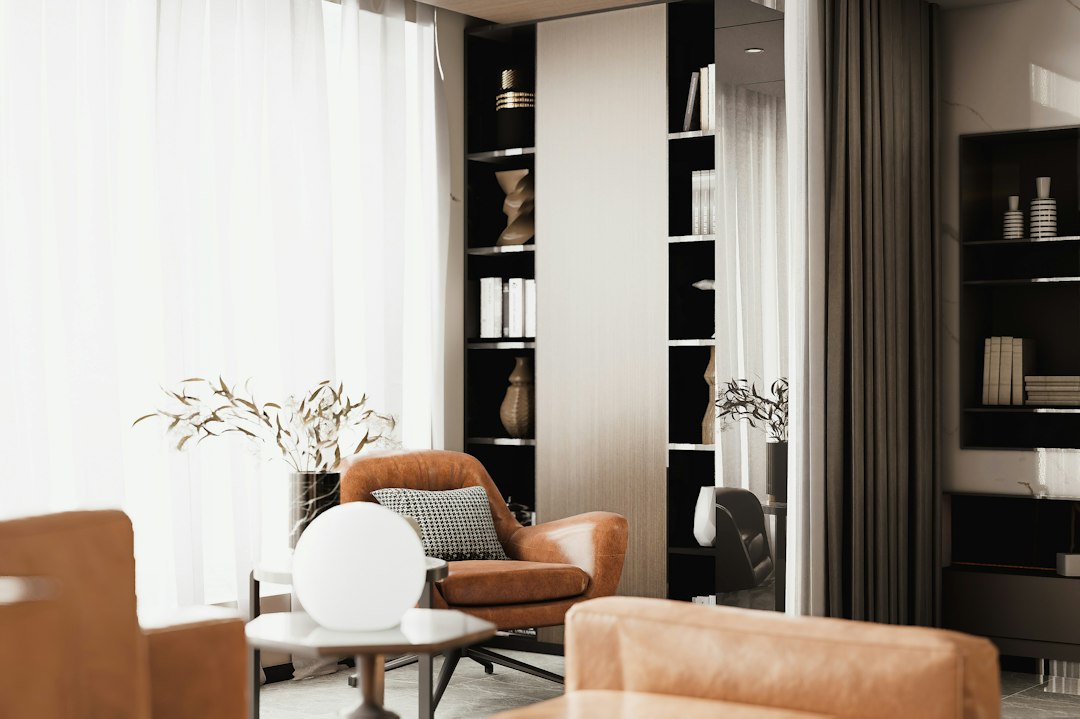
Illustrative reference image; not an AHL installation.
Use the layered lighting guide to separate general, task and accent requirements before the fixture schedule is finalised.
Coordinate control and installation
Group fittings according to the activities they support. A kitchen worktop, dining pendant and decorative cove may need different control groups. Agree which groups will switch together and which need independent adjustment.
Review the fixture, driver and dimming method as a combination. If automation is proposed, involve the electrical and SmartNode control team before purchases and wiring are fixed. Decide where drivers will sit and how they will be reached for maintenance.
| Decision | Confirm with the project team |
|---|---|
| Ceiling and joinery | Fixture positions, cut-outs, profiles, setbacks and accessible driver locations. |
| Electrical loops | Which fittings belong together and where the controls should be located. |
| Dimming | The selected fixture, driver and controller combination, including the intended operating range. |
| Responsibilities | Who supplies fittings and drivers, who installs them, and who sets up the scenes. |
| Quotation | The included quantities, installation, controls, programming and taxes. |
Review the finished space at night
Review aiming and scene levels once furniture and key finishes are in place. Read at the actual chair, stand at the kitchen counter, check a mirror and watch familiar material on the television. Note uncomfortable brightness or reflections from normal positions.
Keep fixture and driver details, circuit labels and agreed settings with the household records. Ask how to change a scene and who to contact for support. A useful handover explains everyday operation and future maintenance.
Before approving handover
- Try the main tasks in each room after dark.
- Check the controls with the people who will use them.
- Confirm that service access remains reachable.
- Photograph or record the final circuit and equipment labels.
Bring a short lighting brief to the discussion
You do not need a finished specification to begin. Share the property location, type, construction stage and priority rooms. Add the floor plan, furniture layout and ceiling drawing if they are available.
A few room photographs, inspiration references, a budget range and the expected handover date help focus the conversation. Explain which fixtures you already own and whether your architect or interior designer will join the review.
Manufacturer reference: Philips residential lighting basics. Product selection and compatibility should be confirmed against the chosen fittings, drivers and controls.