
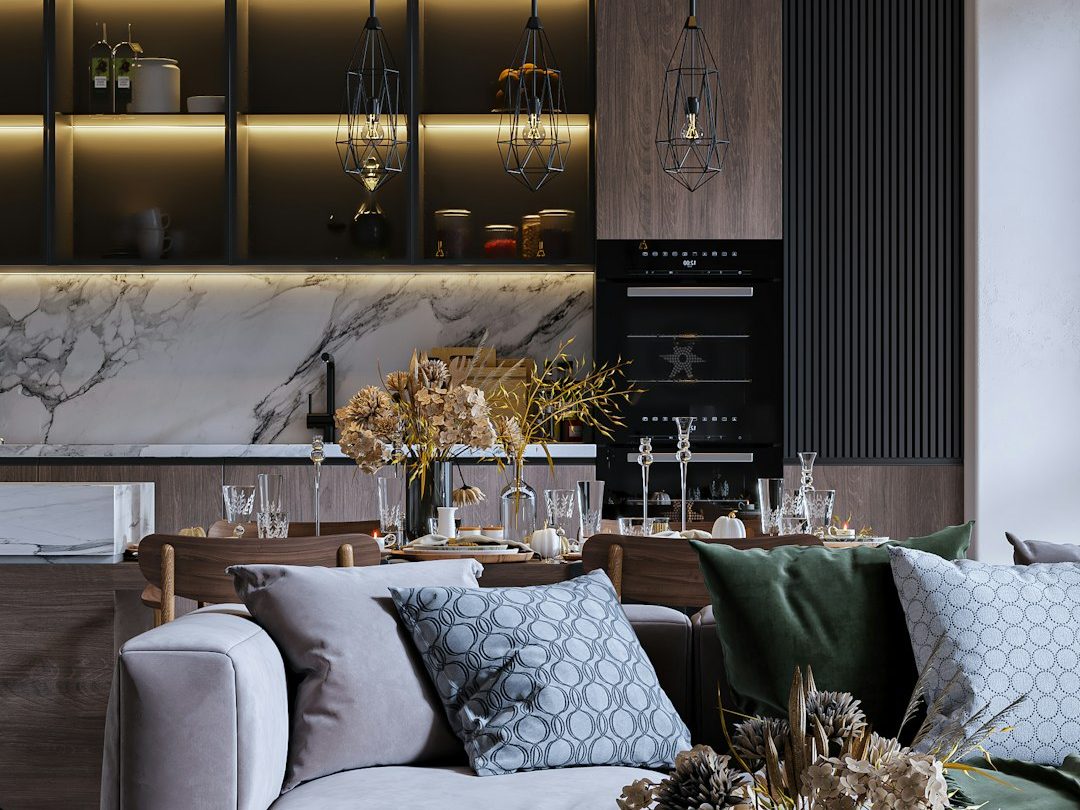
A room rarely needs one lighting setting for every activity. Reading, dining, entertaining and watching a film place different demands on the same space. Layered lighting combines general light, task light and accents so the home can respond without making every fitting equally bright.
For an Indian apartment or bungalow, start with the furniture and household routine. Decorative pendants and coves can contribute to the design, while useful task lighting and clear controls make the scheme comfortable to live with.
Build a comfortable base
General or ambient lighting helps people understand the room and move through it. It may combine ceiling fittings, indirect light and other sources. The right balance depends on the ceiling height, finishes, windows and architectural details.
Avoid assuming that a larger number of downlights automatically creates a better room. Check where the light falls and how bright sources appear from the sofa or bed. Leave room for the task and accent layers to add their own purpose.
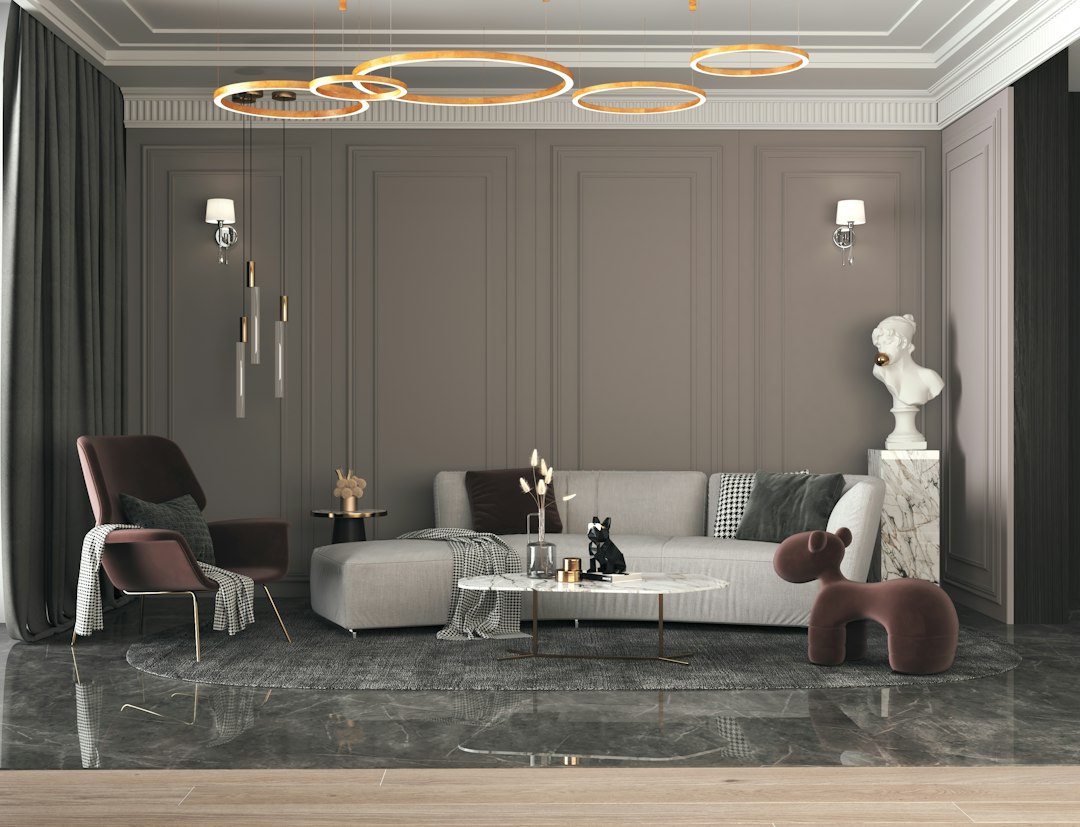
Illustrative reference image; not an AHL installation.
Put useful light near the task
A reading chair, kitchen worktop, desk or dressing area benefits from a source positioned around the activity. Consider where the user sits or stands, whether their body creates a shadow and whether the light reflects on a screen or mirror.
A decorative pendant can provide atmosphere while a separate source handles a practical task. Review both together before deciding that the decorative fitting is enough.
| Activity | Lighting decision |
|---|---|
| Reading | Place useful light around the reading position and check it from the chair. |
| Cooking | Review the worktop, cabinet shadows and the user’s standing position. |
| Desk work | Check the work surface alongside monitor reflections. |
| Dressing | Review the person’s position, mirror and wardrobe details. |
| Dining | Coordinate the pendant or selected fittings with the actual table. |
Use accents with a clear purpose
Accents can reveal artwork, shelving, plants or a textured surface. Select a few focal points so the room retains a clear visual hierarchy. Too many competing highlights can make a compact living room feel busy.
Judge the result with actual finishes and objects. A beam that looks effective on an empty wall may reflect on framed artwork or a television later. Check aiming and brightness from the normal seating positions.
The architectural lighting planning guide explains how to coordinate these choices with ceiling drawings, circuits and installation details.
Let the layers work independently
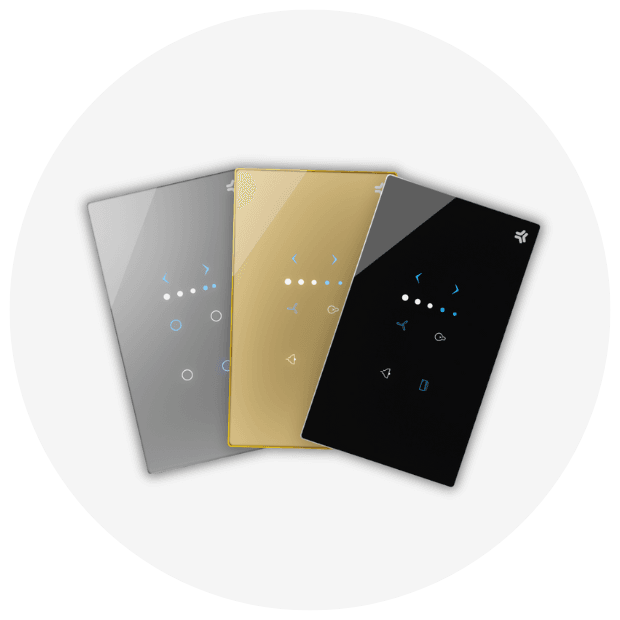
Separate control lets the same room support different activities. Keep the scene names familiar and the choices manageable. The household should understand what a button does without remembering a technical device list.
Confirm dimming compatibility before selecting controls. At the SmartNode Experience Center in Pune, discuss physical switches, touch panels and practical scene ideas around your proposed lighting groups.
| Moment | Possible lighting emphasis |
|---|---|
| Everyday use | A practical base with task sources available where needed. |
| Reading | Focused light at the chair, with comfortable surrounding light. |
| Entertaining | Selected dining and accent layers, adjusted around guests. |
| Movie evening | Lower room light, controlled reflections and curtains where suitable. |
These are planning examples. The final actions depend on the selected fixtures, drivers and controls. A home theatre plan can help coordinate the viewing setup with the movie scene.
Test the scheme with the people who use it
A useful evening review
- Operate each lighting group separately, then try the intended combinations.
- Read, dine and watch the television from the actual furniture positions.
- Check whether the scene names and physical controls are clear.
- Adjust levels that feel uncomfortable before adding more scene choices.
- Record the settings and how the household can change them.
For a finished home, describe which activity feels poorly lit before proposing more fittings. The answer may involve a better task source, aiming, control grouping or a wider installation change. Review feasibility with the project team.
Manufacturer reference: Philips guide to ambient, task and accent lighting. Product selection and compatibility should be confirmed against the chosen fittings, drivers and controls.