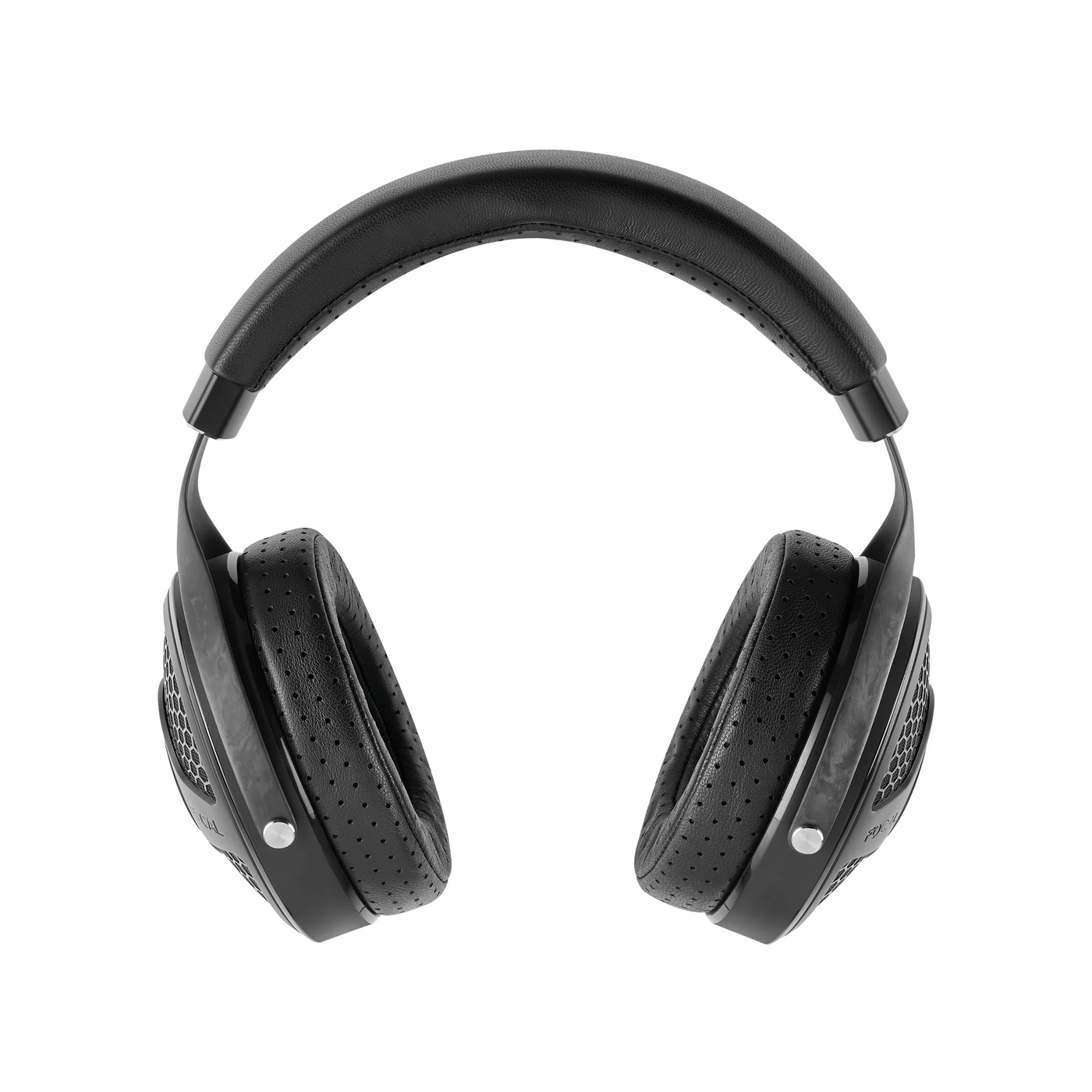
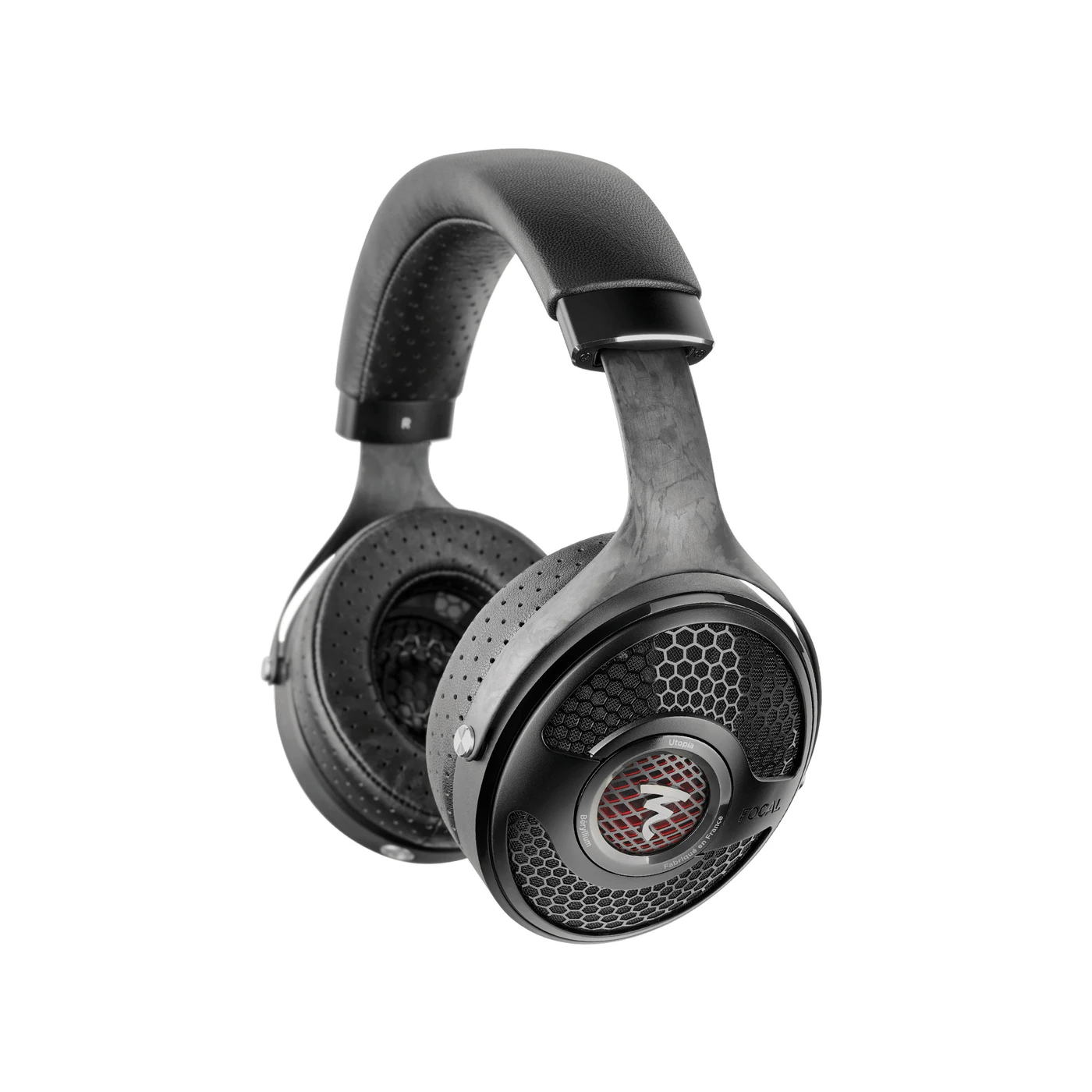
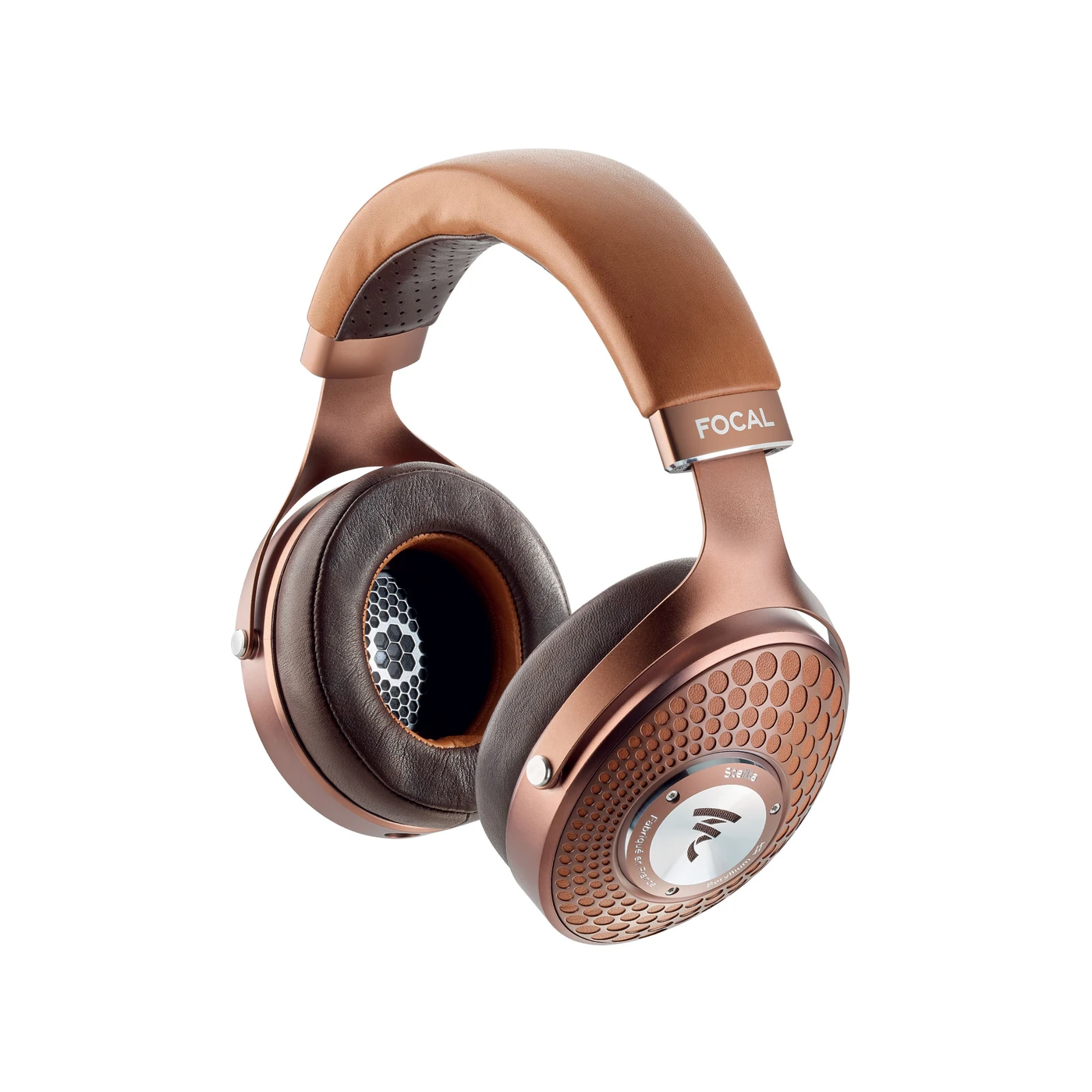
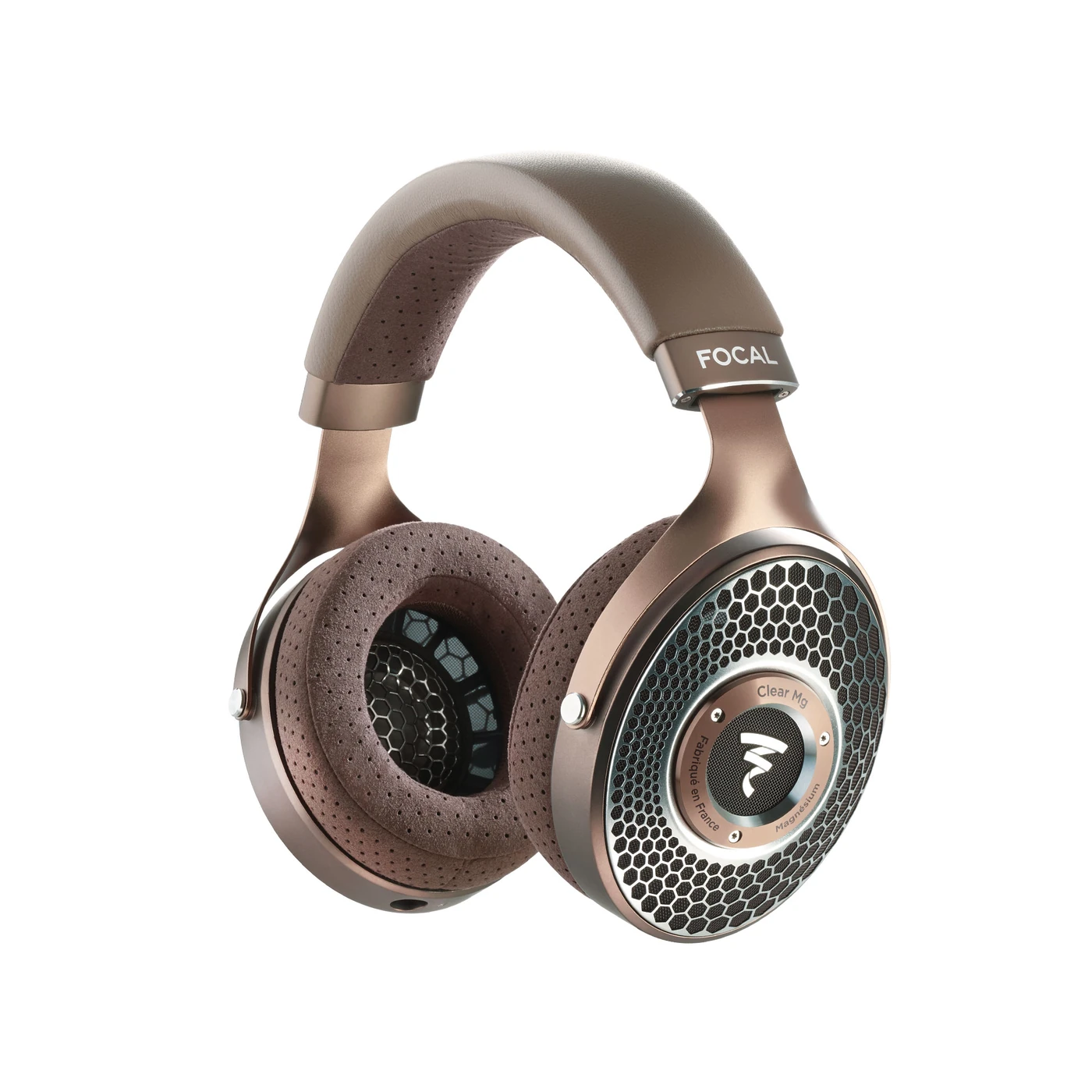
Five passive Focal headphones, two acoustic approaches and three driver materials. This guide connects the specification to the place you will actually listen.
Open-back and closed-back headphones solve different problems. Choose the acoustic format before choosing the model.
Open headphones allow air and sound to move through the earcups, supporting an expansive presentation in a quiet room—but they leak sound and offer little isolation. Closed headphones contain more sound, reduce external distraction and make more sense around other people.
Driver material, weight, impedance and the quality of the source chain then refine the shortlist. A private comparison is more useful than treating price as a ranking.
Current collection
Five expressions of Focal sound.
Focal’s current high-fidelity category includes these five passive models. Bathys is positioned separately by Focal as a wireless active-noise-cancelling headphone.
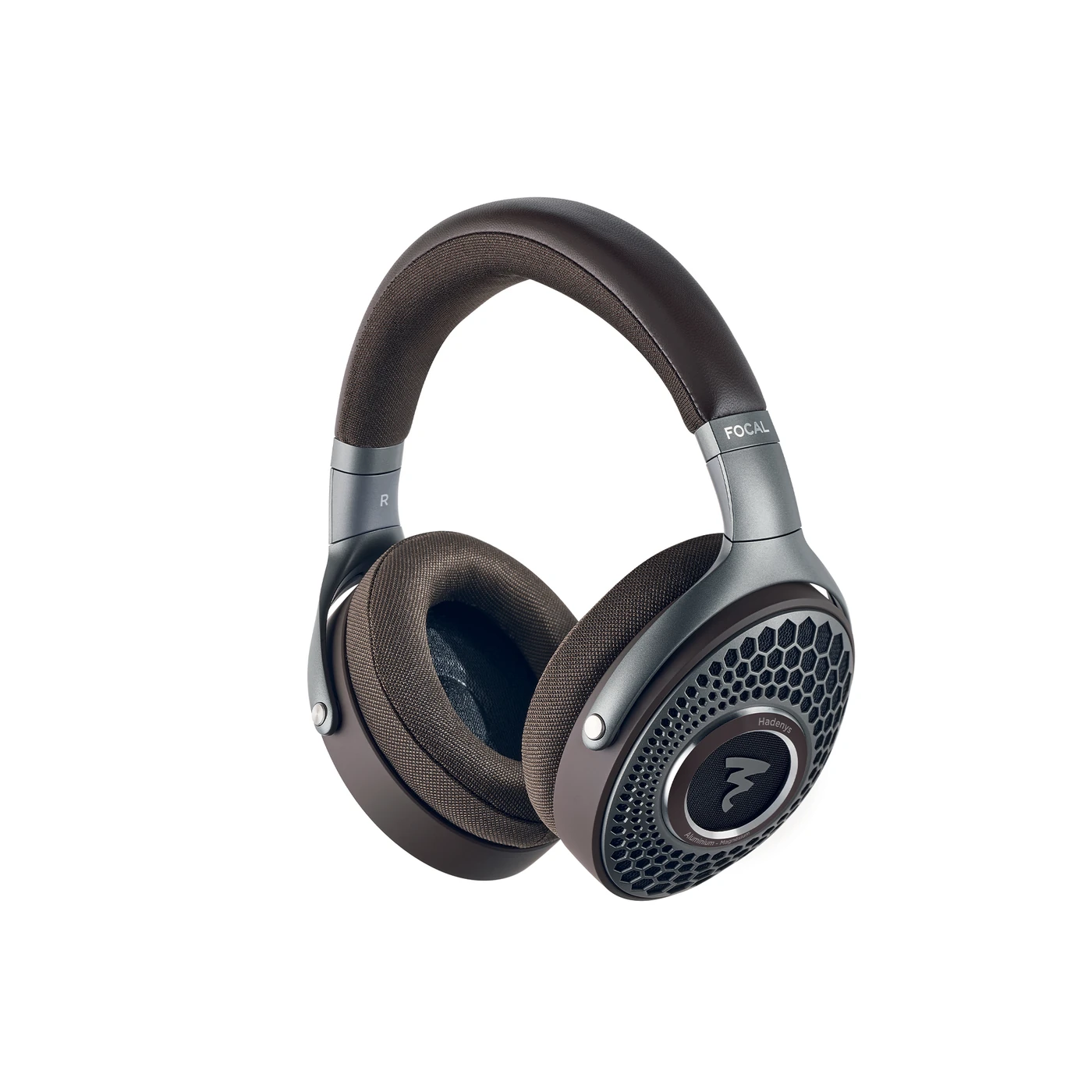
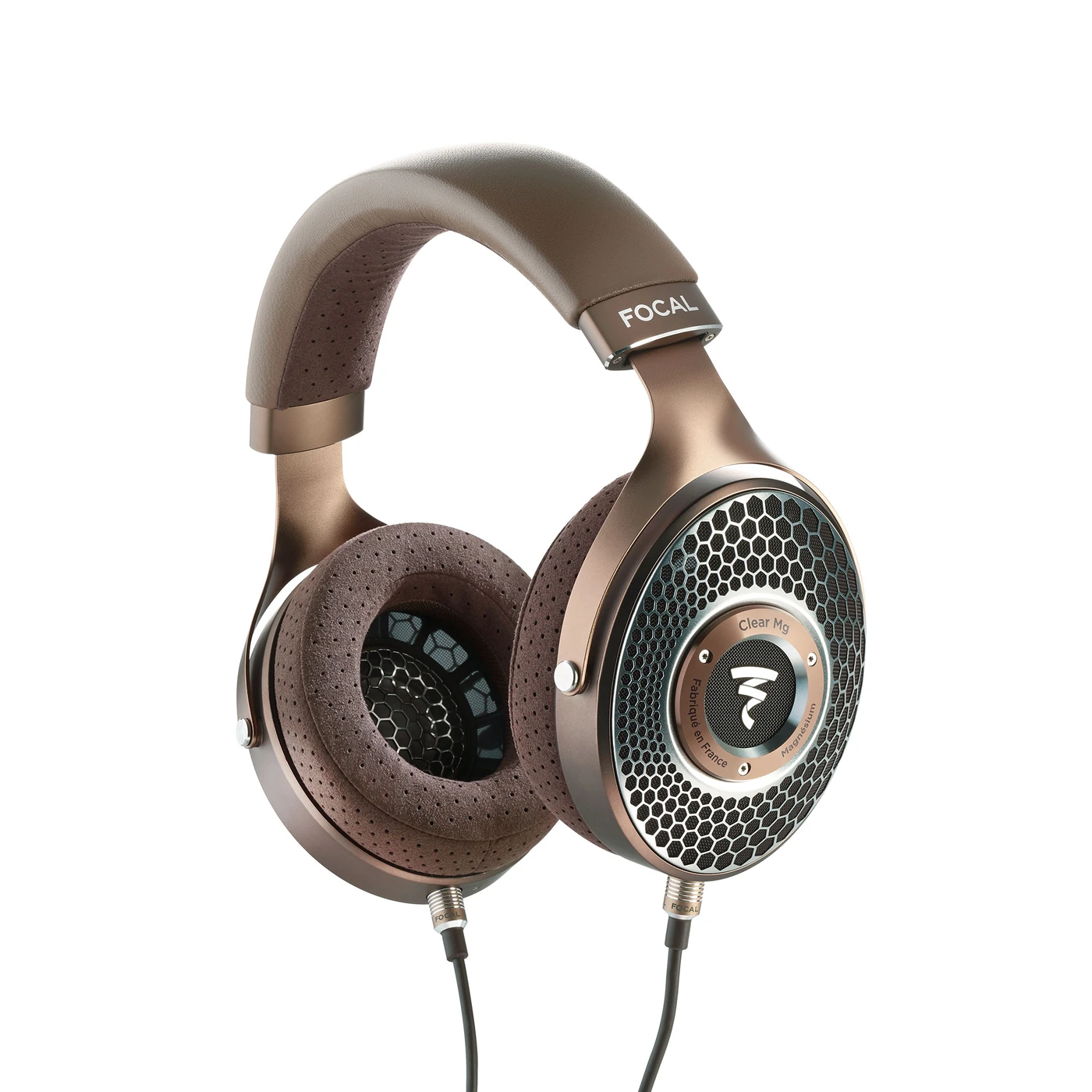
Utopia, Clear Mg and Hadenys are intended for listening where sound leakage will not disturb others and ambient noise will not mask fine detail.
Most natural fit for a dedicated listening chair or private study
Little isolation from conversation, traffic or household activity
Compare Utopia for reference resolution, Clear Mg for high-end balance, Hadenys for lighter long-session use
Closed-back
Focus, privacy and flexibility.
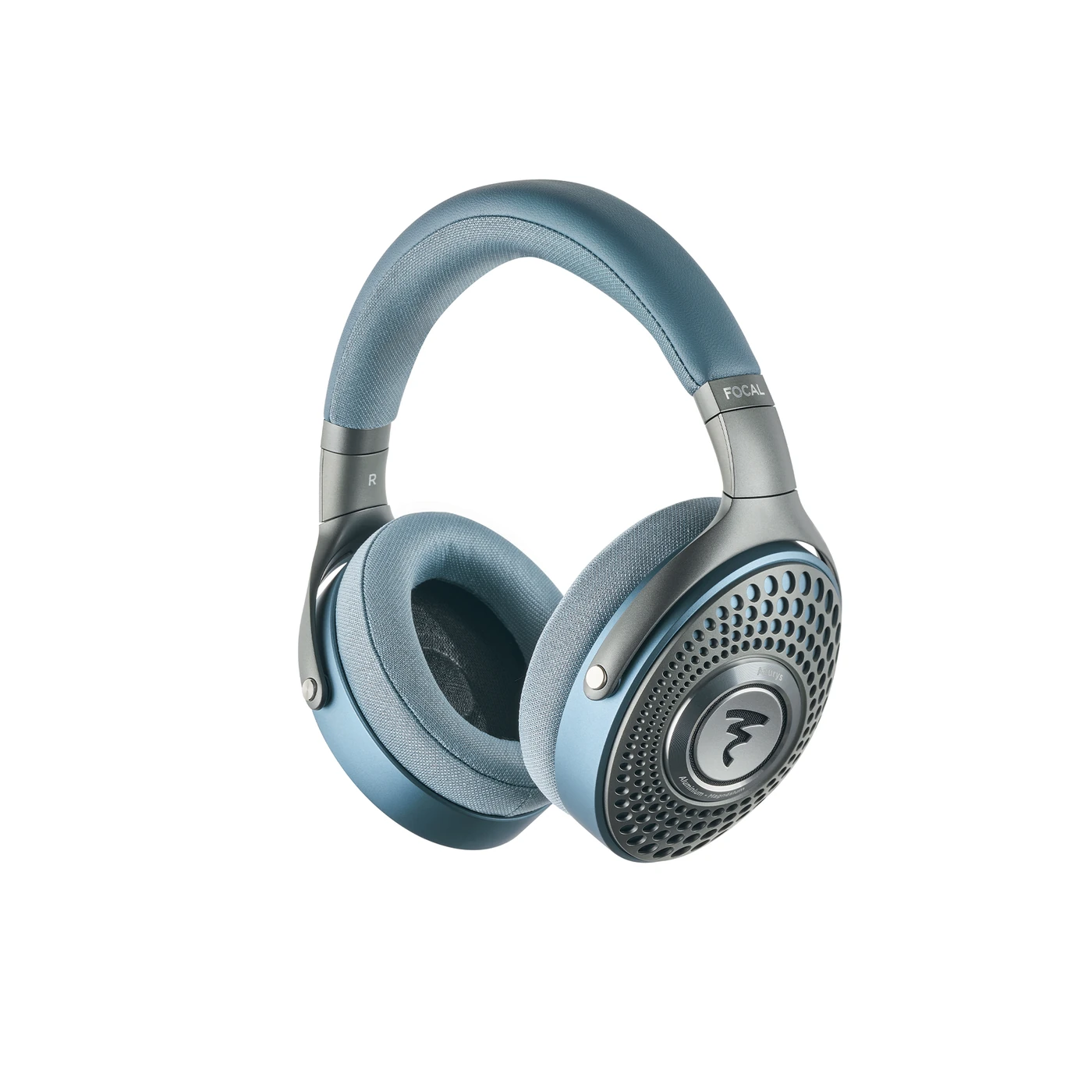
Stellia and Azurys place a physical enclosure behind the driver, improving isolation and making shared-room or portable listening more practical.
Better control of sound leakage around family or colleagues
Stellia is the reference closed-back route; Azurys is lighter and more everyday
Pad seal, glasses and fit can materially change bass and isolation
Driver progression
Three materials. One ‘M’ profile.
Each 40mm driver uses Focal’s ‘M’-shaped dome geometry. Material changes the balance of stiffness, mass and damping—and therefore the engineering route to control.
01
Pure Beryllium
Utopia and Stellia use Focal’s reference diaphragm material for extremely low moving mass and high rigidity.
02
Magnesium
Clear Mg uses a magnesium dome chosen for lightness, damping and dynamic precision.
03
Aluminium / Magnesium
Hadenys and Azurys combine aluminium rigidity with magnesium damping in a lighter, accessible design.
Headphone, source and amplifier should be auditioned as one system.
System matching
A headphone is only half the chain.
Passive headphones rely on the source, DAC and amplifier connected to them. Impedance alone does not predict sound quality or whether a device will provide enough clean voltage and current.
Bring
Your phone, preferred streaming service or familiar music files
Compare
Portable output against a dedicated DAC and headphone amplifier
Listen for
Noise floor, bass control, dynamics, tonal balance and comfort over time
Focal Experience Center · Pune
Choose slowly. Listen privately.
Bring the music you know. All Home Living can help compare open and closed formats, assess comfort, and match the selected headphone with an appropriate source and amplifier path.
India availability: models, finishes and demonstration stock can change. Confirm your preferred comparison when booking.
Utopia, Clear Mg and Hadenys are open-back. They suit quiet, private spaces because they leak sound and provide little isolation.
Which current models are closed-back?
Stellia and Azurys are closed-back. Stellia is the reference option; Azurys is lighter and intended for flexible home and portable use.
Is Bathys included in this guide?
No. Focal categorises Bathys separately as a wireless headphone with active noise cancellation. This guide follows Focal’s passive high-fidelity category.
Do I need a headphone amplifier?
It depends on the headphone, source and listening level. Even easy-to-drive models can reveal improvements in noise, dynamics and control from a well-matched DAC and amplifier.