

prasanna deole
4 weeks ago


Home cinema · Pune
All Home Living designs and installs home theatres for Pune living rooms and dedicated cinemas. Your room, seating and budget guide the choice of screen, speakers, wiring and acoustic treatment.
Request a theatre consultation Explore the FAQs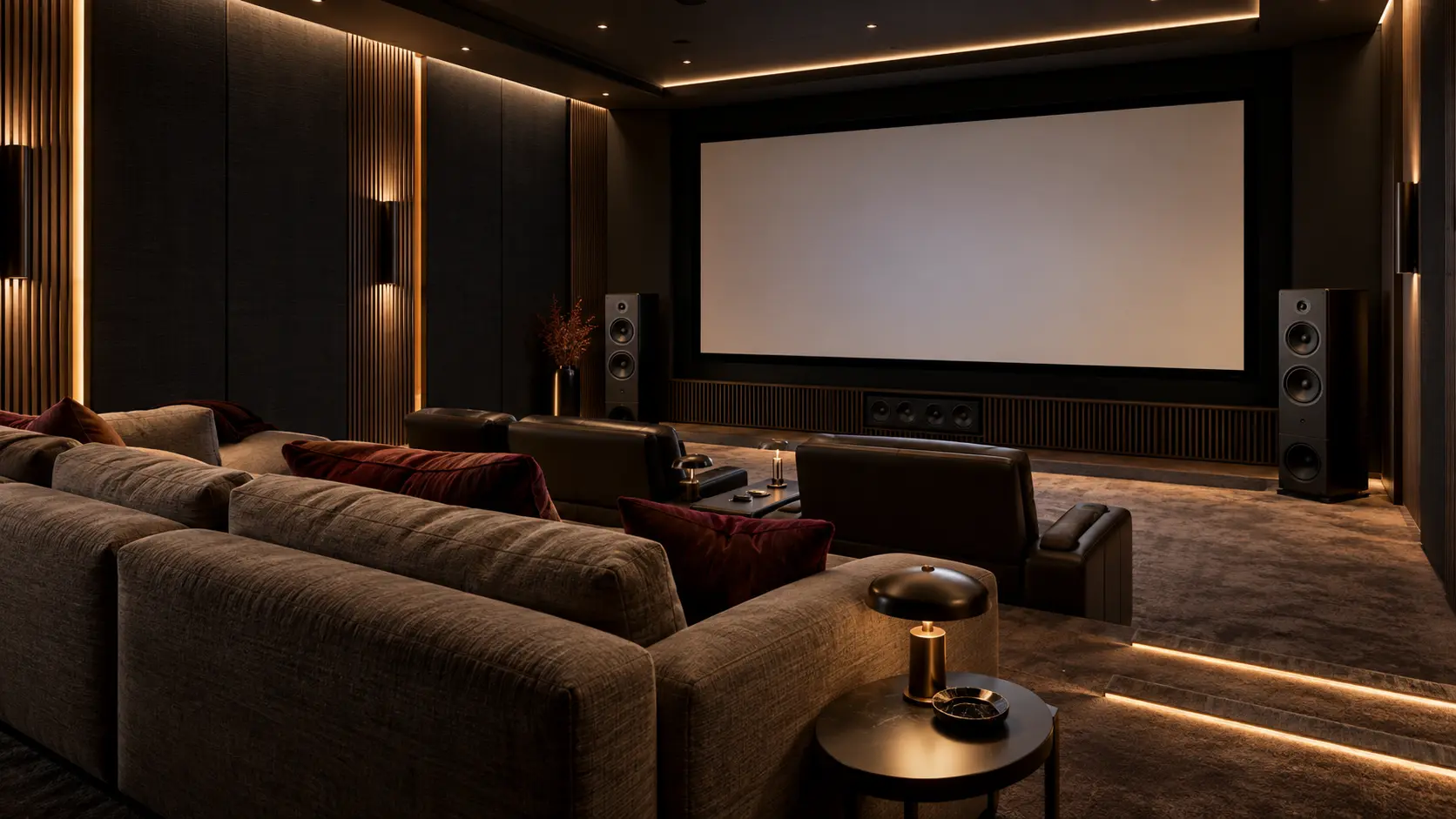
A tailored approach
The right system is the one that belongs in your room.
AHL helps shape a complete home theatre around the way you watch, listen and live. Screen, speakers, seating, acoustics, equipment and controls are considered together from the start.
Dimensions, seating, surfaces and viewing distance establish the foundation.
Speaker layout, display choice and equipment are matched to the space.
Simple controls and careful calibration make the system natural to use.
Home theatre consultation
Share your room size, Pune project location, investment range and preferred installation timeline. Our team will contact you to discuss a complete home theatre for your living room or dedicated cinema room.
Approximate measurements are enough to begin. Add your neighbourhood, project stage and timeline in “Anything else?”. Your system scope and quote will depend on the room and equipment you choose.
Prefer a conversation?System possibilities
Choose a starting point or let the AHL team recommend the right configuration.
Focused two-channel listening with the added depth of a dedicated subwoofer.
A balanced cinema experience with enveloping sound around the primary seating.
5.1.2 adds two height channels. 7.1 adds surround channels at listener level. Choose the layout your room can support.
A room-specific configuration based on performance priorities and investment range.
From idea to first screening
TV, projector or both—the system is coordinated as one architectural and technical solution.
Understand the room, content, preferences and budget.
Plan screen, speakers, seating, acoustics and equipment.
Coordinate execution, program controls and calibrate performance.
Explain the system clearly and support it after completion.
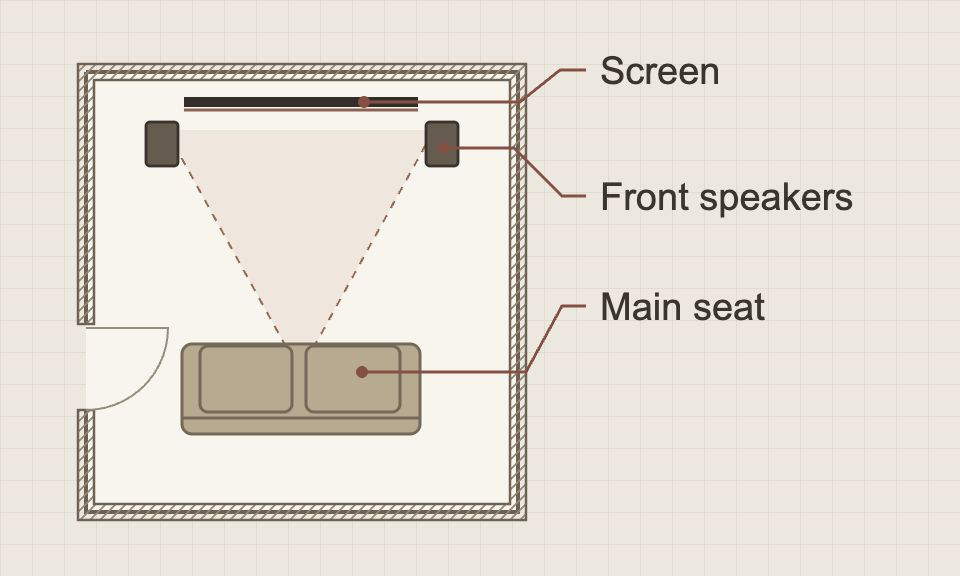
Mark the main seat, screen position and doors on a room plan. These choices guide speaker placement and the routes for wiring.
Ask for a quote that separates equipment, installation and calibration from seating, acoustic treatment and building work.
Discuss your room layout
Bring a familiar scene or music track to a private demo. Listen for clear dialogue, then try the same passage on another system at a similar volume.
When booking, ask which systems are available. Share your room photos, TV model and budget so the comparison fits your home.
Explore the Focal center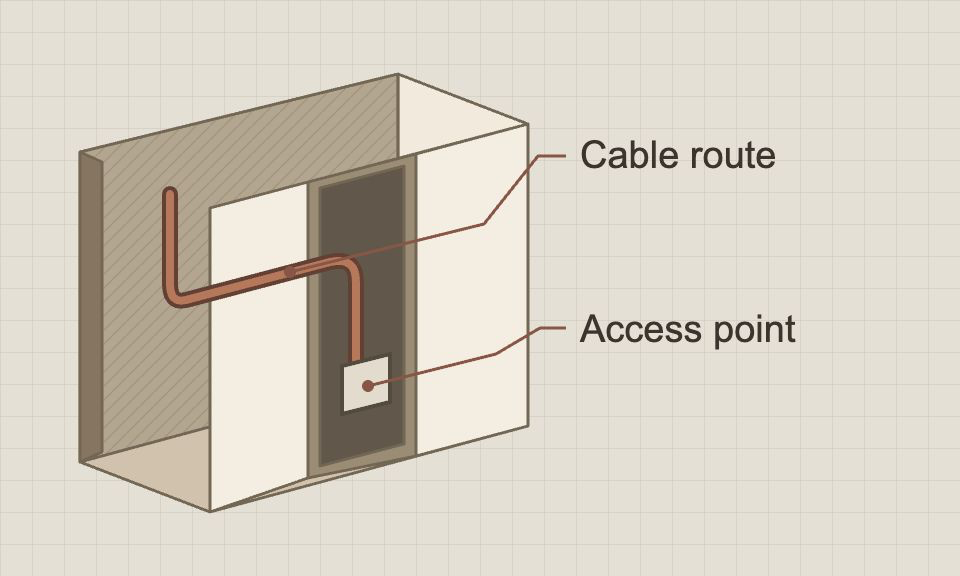
Ask your architect, electrician and theatre team to agree speaker positions, cable routes, ventilation and service access before closing walls or ceilings.
For a finished flat, start with photographs and the wiring already in place. That helps the team identify which changes need building work.
Explore lighting coordinationFind answers about your room, budget and installation, or plan a private demo in Pune.
A custom home theatre brings the picture, speakers, amplification, wiring and room layout into one plan. The right scope depends on your room, existing equipment and priorities. For a Pune project, ask for a written proposal that separates equipment, installation, calibration and any interior or acoustic work.
A coordinated partner can resolve responsibilities between the equipment supplier, electrician and interior team. Buying equipment separately can still make sense when you already have an agreed design and someone responsible for installation.
Bring your floor plan to a theatre consultation.
You can plan a home theatre in a living room; a separate cinema room is not essential. A living room needs to balance sound, daylight, furniture and everyday movement. A dedicated room gives you more freedom over seating, light control and the placement of speakers and acoustic treatment.
For mixed television, music and family use, a simpler living-room system may be the better investment. A dedicated room becomes more useful when cinema is the main purpose and the household can commit the space.
Share photographs of the room as it is today.
There is no single room size that makes every home theatre work. The useful starting point is your room dimensions, seating position, viewing distance and available speaker locations. A compact Pune flat may suit a restrained layout, while a larger room still needs careful planning rather than simply more equipment.
Mark doors, windows, circulation routes and the main seat on the drawing before choosing a screen. Avoid treating a room-size chart as a guarantee of sound quality or comfortable viewing.
Bring a measured floor plan, including ceiling height.
Choose the layout around your listening priorities and the positions your room can support. Stereo 2.1 suits music and a simpler installation; 5.1 adds surround channels. A 5.1.2 layout adds two height channels, while 7.1 adds surround channels at listener level and does not itself specify height speakers.
More channels are useful only when the placement and amplification support them. Compare dialogue, music and surround effects at a demonstration before deciding how much of the room to dedicate to the system.
Ask to compare layouts using a familiar film scene.
A television is often the simpler choice for everyday viewing in a bright living room. A projector is worth considering when a larger image is a priority and the room can support its installation and light control. Compare the complete viewing setup, including the screen and practical cable routes.
Check daytime and evening use separately rather than choosing only by screen size. A projector proposal should account for the available mounting position, throw requirements and access for maintenance.
Share your preferred screen size and photographs of the room.
Your existing television may work with a new audio system, but its connections and supported audio formats need checking first. A soundbar can be a sensible choice when simplicity and limited wiring matter most. A separate speaker system offers more placement flexibility when your room and budget can accommodate it.
Send the exact TV model and details of your streaming device or set-top box before buying. Do not assume that every combination of television, source and receiver passes every surround format.
Bring the TV model number to your demo.
For a consultation with AHL, you can discuss investment bands of ₹3–6 lakh, ₹7–10 lakh, ₹10–20 lakh or ₹20 lakh and above. These are starting points for a brief, not fixed packages. A meaningful quotation depends on the room, equipment, installation scope and any acoustic or interior work.
A lower-cost, simpler system may be the right decision if you mainly watch television or cannot accommodate surrounds. Ask for equipment and room works to be priced separately so you can compare complete proposals.
Share your comfortable budget and your most important use case.
The number of bedrooms does not determine the cost of a home theatre. A system serves a particular room, so its dimensions, layout, viewing needs and installation conditions matter more than whether the flat is a 1, 2, 3 or 4 BHK. Compare proposals for the same room and scope.
An open living and dining area can be a different design problem from an enclosed bedroom of similar floor area. Keep whole-home automation and multiroom audio separate from the cinema-room budget.
Mark the room you want to use for films and music.
A useful home theatre quotation lists equipment, quantities, installation and commissioning, then clearly states what is excluded. Ask separately about acoustic treatment, sound isolation, wiring, electrical work, civil changes, seating and taxes. Two proposals with similar speaker prices may have very different total costs once the room is ready to use.
Check responsibility for projector mounting, network work, access panels and disposal of construction waste where relevant. Agree the process for approving changes before installation begins.
Bring an existing quotation if you want to compare scope rather than boxes.
Acoustic treatment and sound isolation solve different problems. Treatment helps manage sound within the room; it should not be presented as a promise that neighbours will hear nothing. If limiting sound transmission is important, the walls, doors, ceiling and other paths need a separate assessment before choosing a solution.
In an apartment, agree realistic listening expectations and discuss adjoining rooms early. Decorative panels alone should not be sold as a complete answer to noise passing through a building.
Tell us which neighbouring rooms or homes you are concerned about.
A home theatre can be planned around the interior rather than added after every finish is complete. In-wall, on-wall and freestanding speakers involve different compromises in installation, appearance and future access. The best choice depends on your wall construction, room layout and how much building work you are willing to accept.
Concealed equipment still needs ventilation and service access. If the home is already finished, a tidy visible installation may be more practical than reopening walls simply to hide every component.
Bring your interior drawings or photographs before choosing speaker types.
Choose between speaker brands by comparing suitable models in the context of your room, listening habits and complete system budget. Brand names alone do not establish which system will suit you best. AHL offers a Focal experience center in Pune where you can discuss and audition the available Focal options.
Ask which Focal ranges are currently available for demonstration before visiting. For a fair comparison elsewhere, use familiar material and similar listening levels; do not assume every competing brand is available at AHL.
Book a Focal demo before committing to a model.
Ask for a proper invoice, the exact model and serial details, and written confirmation of the applicable Indian warranty and service route. AHL operates the Focal experience center in Pune. Confirm the authorisation and warranty for the specific purchase before paying.
Keep product warranty separate from installation workmanship and chargeable site support. If you only need a product, use the linked AudioGuru store to check the available listing and purchase terms.
For a room project, begin with a demonstration at AHL.
Involve the technology team while the furniture, ceiling and electrical drawings can still change. The main seats, display, speakers, equipment space and controls should inform the wiring plan. Early coordination helps your architect and electrician resolve routes and access before walls and ceilings close, rather than improvising around finished surfaces.
Request a coordinated drawing set, an agreed bill of quantities and clear responsibilities for each contractor. Final cable and conduit specifications should follow the selected design and site conditions.
Invite your architect or interior designer to the first consultation.
The installation timeline depends on the agreed system, product availability and how ready the room is. Equipment installation is only one stage of a project that may also involve wiring, interiors, testing and calibration. Ask AHL for a written schedule tied to your site milestones before planning a completion date.
A finished living room and a cinema room under construction should not be promised the same programme. Confirm what must be complete before installation and who signs off changes that affect the schedule.
Share your target move-in date and the current site status.
An existing flat can often be upgraded, but the practical scope depends on access, wiring, switchboards and the equipment you want to retain. Start with a room and electrical assessment. Retrofit options can reduce disruption, but they should not be described as requiring no work in every home.
For cinema, surface routes or a simpler speaker layout may avoid unnecessary civil work. For automation, check module space, circuit compatibility and control requirements before assuming existing switches and fittings can all remain.
Share room photographs and switchboard photographs for the first discussion.
A good handover should make everyday use clear for everyone at home, with agreed controls and a demonstration of common tasks. Calibration and training should be named in the quotation rather than assumed. Ask how picture, sound, source selection and any automation scenes will be checked before the project is signed off.
Try the controls yourself during the demonstration instead of watching only the installer. Request simple operating notes and confirmation of who to contact if a setting is changed accidentally.
Tell us who will use the system and how simple you want the controls to be.
A home automation plan can bring compatible lighting, curtains, climate and entertainment controls together. A scene groups selected actions around an activity, such as watching a film or preparing for bedtime. The useful starting point is what your household wants to do, followed by a compatibility check for each device.
Choose a few useful routines before adding more functions. Physical controls remain important for visitors and family members who do not want to use an app.
Bring a short list of routines you would like to simplify.
Supported SmartNode devices provide local control options when the internet is unavailable, but the exact behaviour depends on the selected model and setup. Ask which switches, keypads and scenes continue working in your proposed system. Remote access and other cloud-dependent functions should be checked separately rather than promised as universally available.
An internet outage, a local network failure and a power cut are different situations. Ask for these scenarios to be demonstrated or documented for the actual equipment in your quotation.
Include an offline-control check in your demo brief.
Neither wired nor wireless automation is automatically the best choice for every home. A new build offers more freedom to plan infrastructure, while a finished flat may favour less disruptive options. Compare SmartNode and other proposed systems using the same functions, local controls, compatibility, service responsibilities and complete installed cost.
Request a room-by-room comparison instead of comparing only keypad prices. Ask what happens during an outage and what it would cost to change a scene or expand the system later.
Bring any competing proposal so the scope can be compared clearly.
Home automation cost depends on the circuits, controlled devices, keypads and installation conditions, not just the number of bedrooms. A lighting-only upgrade and a whole-home plan with curtains and climate control are different scopes. Ask for a room-by-room proposal that separates hardware, installation, programming and any future service charges.
Start with the rooms and routines that matter most if you want to control the initial investment. Check whether fixtures and drivers support the proposed dimming before approving a lighting-control package.
Bring a floor plan and a list of the rooms you want to automate.
Warranty and support should be confirmed in writing for the products and installation you choose. Manufacturer cover, workmanship, on-site visits and later programming changes may have different terms. Ask AHL to identify the responsible service contact and explain what is included, what is chargeable and how a fault is handled.
Keep invoices, model details and handover documents together. Do not assume that a warranty automatically includes unlimited visits, firmware work or changes to the original system design.
Ask for the support terms alongside the proposal.
You can plan for later expansion, but future compatibility should be checked when selecting the first system. Available channels, spare capacity, wiring routes and the automation platform affect what can be added. Tell AHL which rooms or functions may come later so the initial design does not unnecessarily limit those choices.
Preparing access and infrastructure now can be more practical than buying every device immediately. Ask for the limits of the proposed upgrade path in writing rather than assuming every future product will work.
Separate your must-have first phase from your longer-term plans.
AHL’s Focal and SmartNode experience centers share Shop 9, Millennium Star, Dhole Patil Road, near Ruby Hall Clinic, Pune 411001. Demonstrations are by appointment, Monday to Saturday. Bring your floor plan, room photographs, existing equipment details and a comfortable investment range so the discussion can focus on your home.
Call +91 72194 31747 or use the website to request a visit; confirm the appointment before travelling. A familiar music track or film scene can help you explain what matters to you.
Tell us whether you want cinema, hi-fi, automation or a combined demonstration.
AHL is based in Pune. For a project in Mumbai, Bengaluru, Hyderabad or another city, request confirmation of service availability before booking or assuming installation is included. The proposal should explain site surveys, travel, local contractor coordination and the after-sales arrangements for your location, alongside the equipment and installation scope.
A product purchase from the online store is different from a managed installation project. Share the location and project stage first so the team can confirm whether it can support the work.
Ask for written confirmation of coverage and service arrangements.
For a product-only purchase, visit AudioGuru. For design and installation, speak with AHL’s Pune team.
Focal Experience Center