
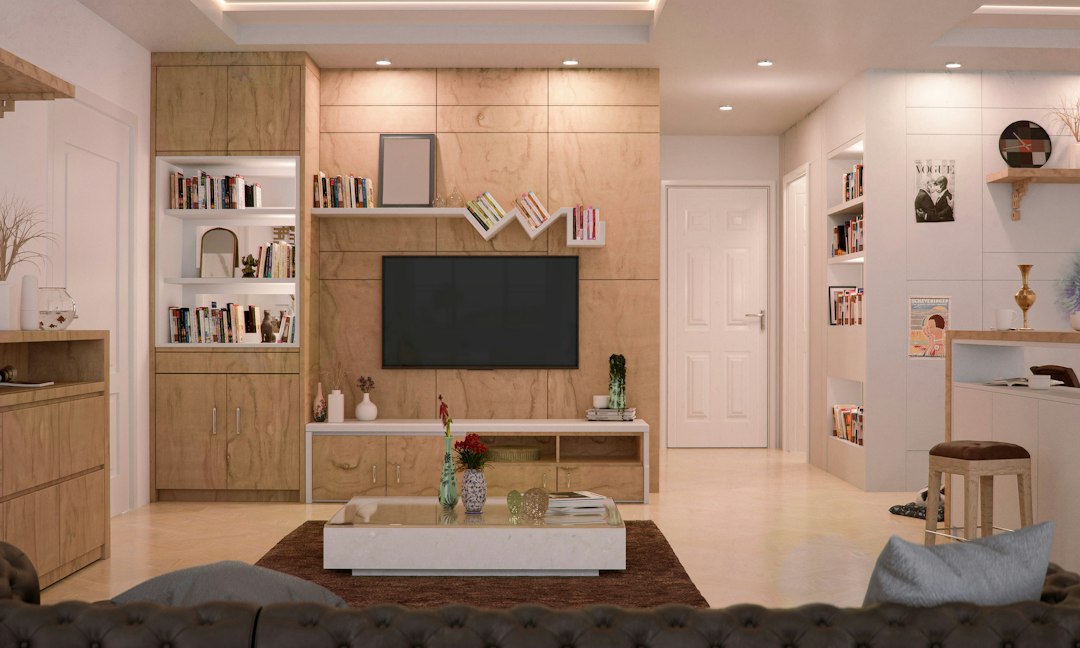
Acoustic treatment and soundproofing are often used as if they mean the same thing. They do not. Treatment concerns sound inside the listening room; isolation concerns sound passing between spaces. A useful home theatre brief identifies which problem matters before anyone chooses panels or promises a result.
Start with the problem: unclear dialogue, uneven bass, a lively room and sound reaching neighbours are different issues. Describe where you hear the problem, at which seats and at what normal listening level. The appropriate response depends on the room, construction and equipment.
When the concern is sound inside the room
A room with hard surfaces can sound different from the same space with furniture and soft finishes. Speaker positions, seating and setup also matter. Ask the installer to evaluate these together rather than treating a panel package as a universal solution.
If dialogue seems unclear, first identify whether the issue occurs across all sources and seats. Record the equipment, current settings and layout. A support visit should diagnose the cause before recommending replacement speakers, acoustic work or additional amplification.
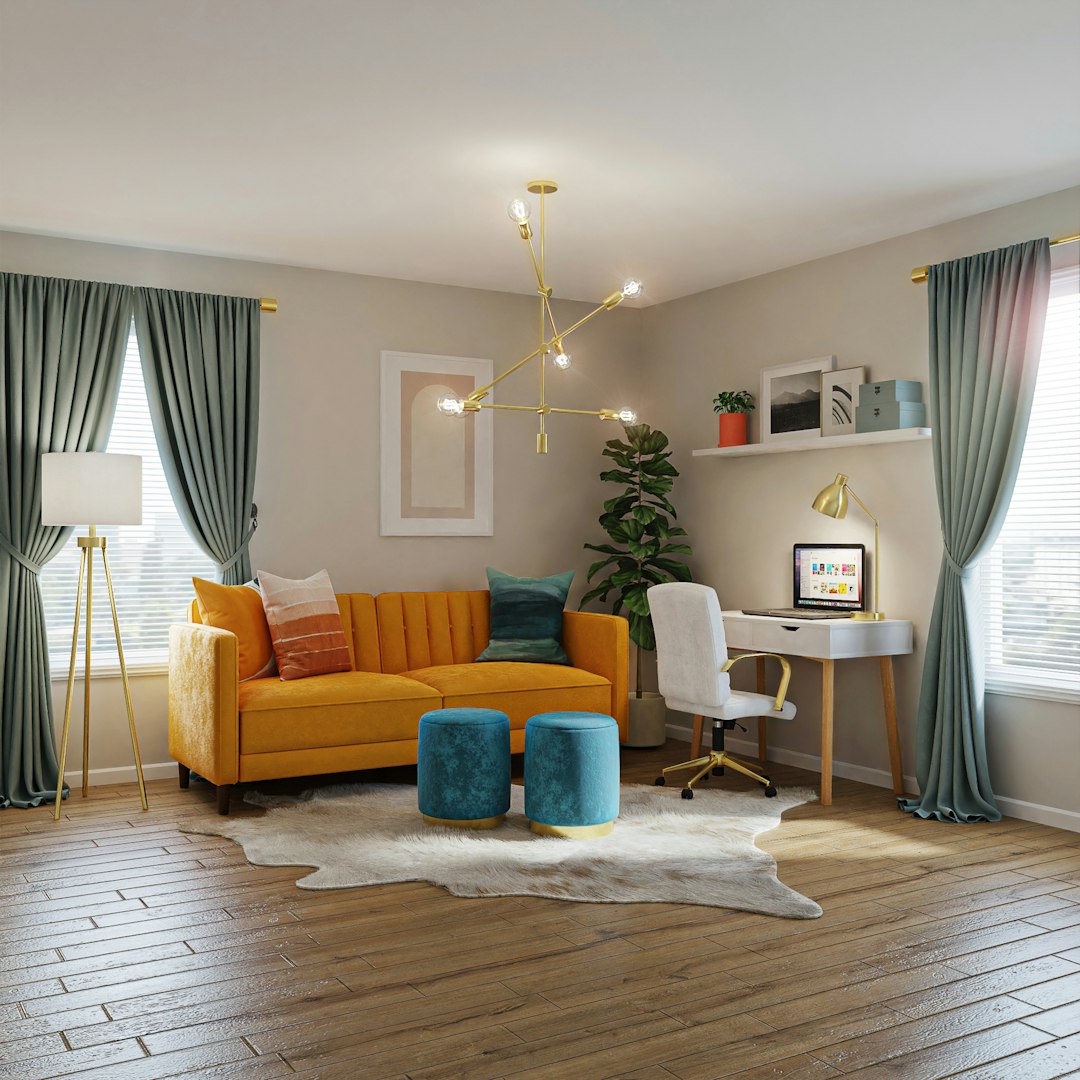
Illustrative reference image; not an AHL installation.
When the concern is neighbours or adjacent rooms
Sound transmission involves the building and its openings, not only decorative finishes. Walls, doors, ceilings and connecting paths may need assessment. Do not assume that adding visible acoustic panels will make a flat silent outside the cinema room.
For an apartment, discuss adjacent homes, the rooms above and below, building restrictions and realistic listening expectations. Before structural or isolation work is proposed, agree who is responsible for the design and what performance, if any, will be measured and documented.
Write a brief that distinguishes the two
| Observation | Useful information | What not to assume |
|---|---|---|
| Dialogue difficult to follow | Sources, listening seats, speaker position and settings | That buying a larger speaker alone will resolve it |
| Bass changes between seats | Room plan, subwoofer positions and listening locations | That additional subwoofers automatically fix every room |
| Room sounds lively | Surfaces, furnishings, room use and acceptable finishes | That one decorative treatment suits every layout |
| Sound reaches another space | Construction, openings, adjoining rooms and constraints | That treatment inside the room guarantees isolation |
Plan before the interior is fixed
In a new cinema room, bring acoustic and isolation requirements into the discussion alongside ventilation, ceiling details and service access. These elements can affect one another. A beautifully concealed installation should still allow equipment and connections to be reached later.
In an existing living room, begin with practical placement and setup options. Ask what improvements can be made while retaining the finishes, and what would require more invasive work. A simpler system used at appropriate levels may suit the household better than a major rebuild.
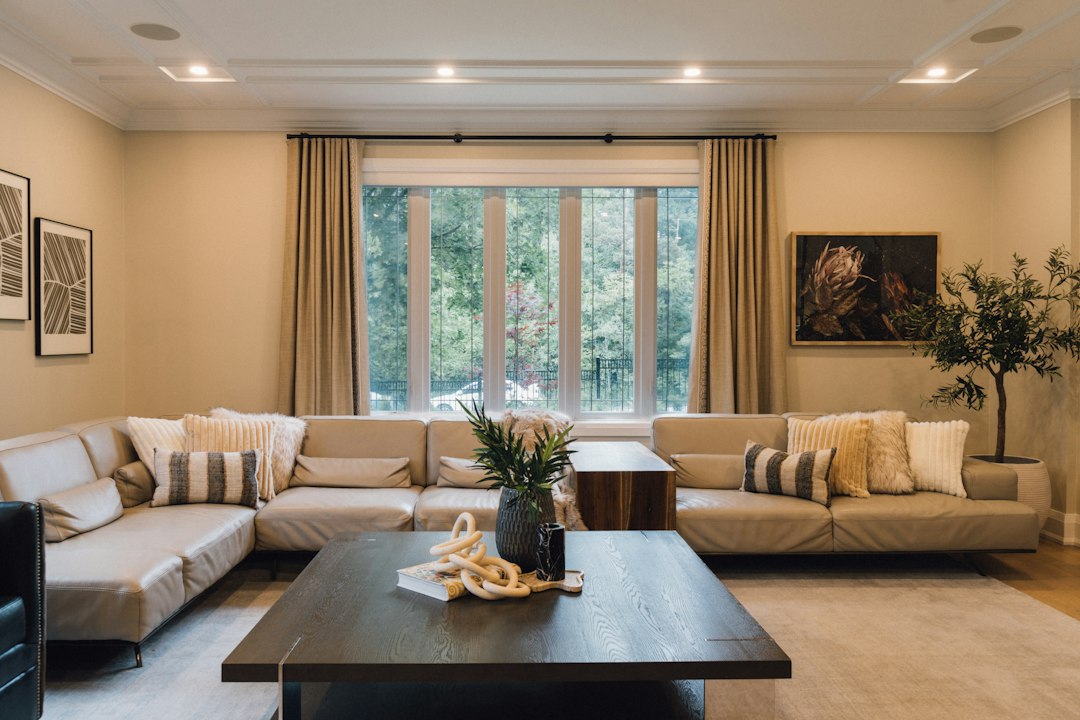
Illustrative reference image; not an AHL installation.
Agree the scope of evaluation and commissioning
Ask who will evaluate the room, what checks are included and how the recommendations will be recorded. If measurements are part of the proposal, clarify what they cover and what they do not establish. Keep an equipment calibration record separate from any promised building-isolation performance.
Check familiar material from the main seats after furnishings are in place. Record outstanding issues before handover. Keep the final layout, settings and support contact so a later change can be assessed against a known starting point.
Bring these details to your consultation
- Room dimensions, ceiling height and photographs of the surfaces.
- The listening seats, speaker positions and equipment models.
- A description of the issue and where it is noticeable.
- Adjoining rooms, building constraints and finishes you want to retain.
- Your normal use, budget and willingness to undertake room work.
Read the speaker-placement guide and discuss your room with AHL’s Pune home theatre team. A consultation should make the next investigation clearer, not promise a universal cure before the room is understood.